

Quick Summary
Indian cuisine is known for its rich flavors, regional variety, and diverse cooking traditions. Butter Chicken is a famous Indian food dish enjoyed by diners in India and around the world, while Biryani, Tandoori Chicken, Masala Dosa, and Samosas offer many other flavors to explore.
What We Learn
- Indian cuisine has many unique regional dishes.
- Butter Chicken is a popular choice for first-time diners.
- Biryani, Dosa, Tandoori Chicken, and Samosas offer different flavors.
- Indian food ranges from mild and creamy to spicy and aromatic.
- Every region has its own cooking traditions and specialties.
What Is the #1 Indian Dish?
Asking about the number-one Indian dish sounds simple, but the answer depends on how popularity is measured.
Restaurant demand, international recognition, cultural importance, regional popularity, and individual preference can all produce different answers. A dish that is extremely popular in one part of India may not be equally common in another region.
Butter Chicken is frequently associated with Indian cuisine internationally. Its combination of tender chicken, creamy gravy, tomato, butter, and aromatic spices has made it familiar to diners far beyond India.
It is also particularly approachable for people trying Indian food for the first time. The dish offers plenty of flavor without necessarily relying on intense heat, making it suitable for diners who are still becoming familiar with Indian spices.
However, popularity does not mean that every Indian diner would choose the same dish. Someone from Hyderabad may have a strong preference for Biryani, while someone from South India may choose Masala Dosa, Idli, or Sambar.
This is what makes Indian cuisine so interesting. Instead of having one dish that represents the entire country, India has an enormous collection of regional favorites.
Butter Chicken – India’s Most Iconic Dish
Butter Chicken, also known as Murgh Makhani, is one of the most recognizable dishes associated with Indian restaurants around the world.
The dish is traditionally prepared with chicken cooked in a tomato-based sauce containing butter, cream, and aromatic spices. Depending on the recipe, ingredients such as ginger, garlic, garam masala, and fenugreek can contribute to its distinctive flavor.
One reason for its international popularity is its balance. Tomato provides acidity, butter adds richness, cream creates a smooth texture, and spices add warmth and aroma.
The result is a dish that works beautifully with naan, roti, rice, or other Indian breads. Its approachable flavor has helped make it a famous Indian food dish for diners who may be experiencing Indian cuisine for the first time.
Butter Chicken also demonstrates how Indian cuisine can combine traditional cooking methods with flavors that appeal to a wide range of diners.
At Turmeric Indian Cuisine, Butter Chicken remains a popular choice for guests looking for a comforting and flavorful introduction to Indian cooking.
What Is the Most Famous Indian Dish in the World?
Indian cuisine has produced numerous dishes that have become internationally recognized. The answer can change depending on the country, restaurant, and audience.
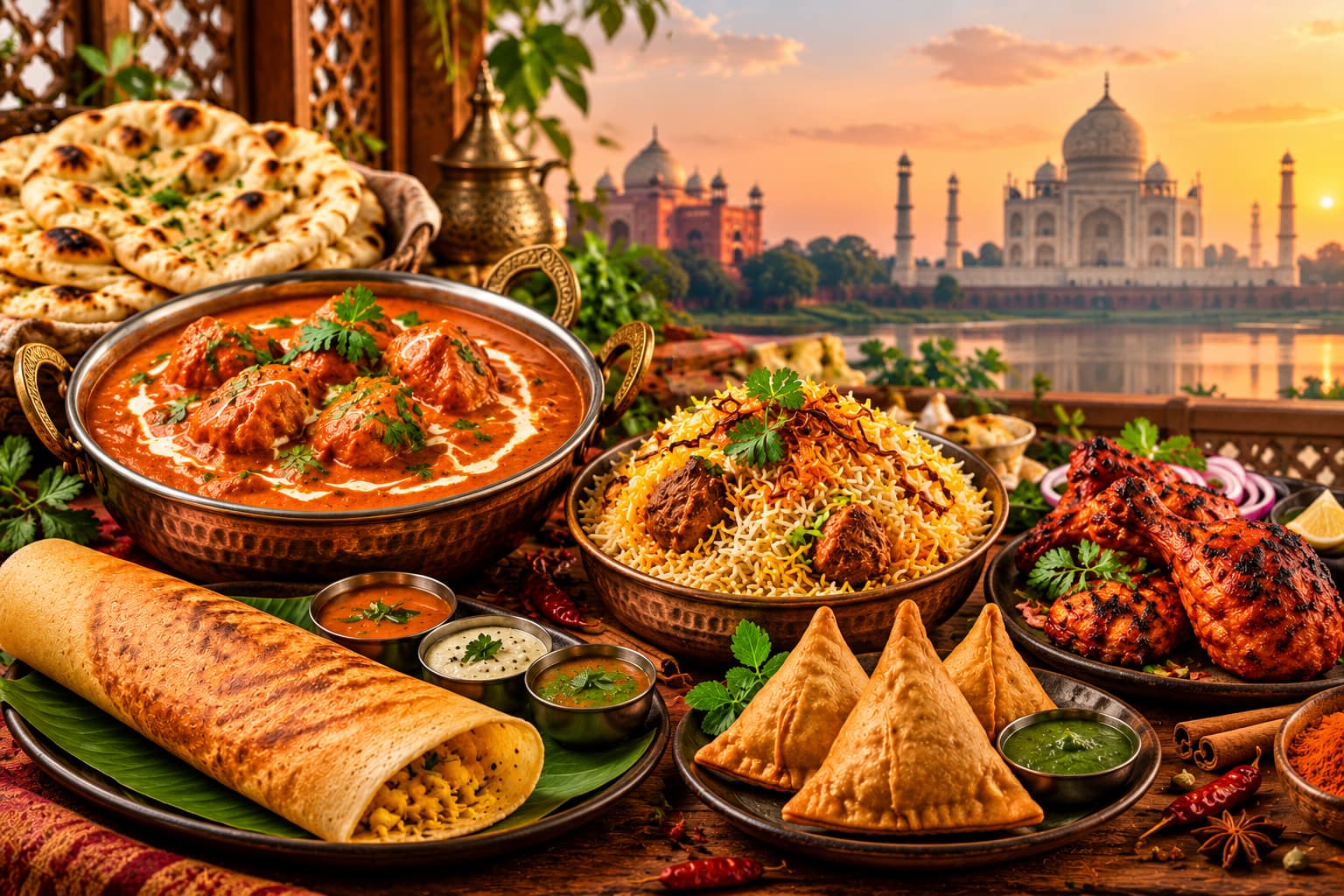
Butter Chicken is widely known, but Biryani is another major favorite. Known for fragrant rice, aromatic spices, and carefully cooked meat or vegetables, Biryani has numerous regional versions across India.
Hyderabadi Biryani, Lucknowi Biryani, Kolkata Biryani, and other regional preparations each have their own characteristics. Ingredients, cooking methods, rice varieties, and spice combinations can vary considerably.
Tandoori Chicken is another dish strongly associated with Indian cuisine. Traditionally cooked in a tandoor, the chicken develops a distinctive smoky flavor and charred exterior while remaining tender inside.
Samosas have also become popular internationally. These crispy pastry pockets are commonly filled with potatoes, peas, spices, or other ingredients and are often served with chutneys.
Masala Dosa represents another side of Indian cuisine. Made using fermented rice and lentil batter, it is cooked into a thin, crisp crepe and commonly served with spiced potato filling, sambar, and chutneys.
These dishes demonstrate why Indian food cannot easily be reduced to one recipe. Each offers a different combination of ingredients, textures, and cultural influences.
What Is the Number One Indian Food?
There is no universally accepted answer to this question.
If restaurant popularity is used as the measurement, dishes such as Butter Chicken and Biryani frequently appear on menus around the world. If everyday consumption is considered, staples such as rice, roti, dal, vegetables, and regional preparations become much more important.
Food traditions in India are closely connected to geography and culture. Climate, agriculture, local ingredients, historical influences, and community traditions have all shaped what people eat in different regions.
For example, rice plays an important role in many southern and eastern Indian diets, while wheat-based breads such as roti and paratha are especially common in northern regions.
Coastal communities often incorporate seafood and coconut into traditional dishes, while inland areas have developed their own combinations of grains, vegetables, legumes, and spices.
Therefore, choosing a single dish as the “number one” does not fully represent the diversity of Indian food.
What Are the Top 10 Indian Dishes?
Although there is no official ranking, several Indian dishes have become particularly well known both within India and internationally.
1. Butter Chicken
Butter Chicken is known for its creamy tomato-based gravy and tender pieces of chicken. It is often served with naan, roti, or rice.
2. Biryani
Biryani combines fragrant rice with meat, vegetables, herbs, and spices. Regional recipes vary considerably, giving the dish many different interpretations.
3. Tandoori Chicken
Tandoori Chicken is marinated in yogurt and spices before being cooked at high temperatures in a traditional tandoor. Its smoky aroma and charred exterior make it a popular choice.
4. Paneer Butter Masala
This vegetarian favorite features soft pieces of paneer in a rich, creamy tomato-based sauce. It pairs particularly well with naan, roti, or rice.
5. Dal Makhani
Made primarily with black lentils and other legumes, Dal Makhani is slow-cooked to create a rich and creamy texture. It is especially popular in North Indian cuisine.
6. Masala Dosa
Masala Dosa is a crisp South Indian crepe made from fermented rice and lentil batter. It is commonly filled with spiced potatoes and served with chutneys and sambar.
7. Rogan Josh
Rogan Josh is a traditional Kashmiri dish known for its aromatic spices and rich gravy. Traditionally prepared with meat, it represents the distinctive flavors of Kashmiri cooking.
8. Chole Bhature
Chole Bhature combines spicy chickpea curry with deep-fried bhature. It is especially popular as a hearty meal in northern India.
9. Palak Paneer
Palak Paneer combines paneer with a spinach-based gravy and aromatic spices. It is a popular vegetarian option and is commonly served with Indian breads.
10. Samosas
Samosas are crispy filled pastries commonly stuffed with spiced potatoes and peas. They are widely enjoyed as snacks and appetizers.
Together, these dishes provide only a small glimpse into the enormous range of Indian culinary traditions.
Which Dish Is Most Eaten in India?
The foods most commonly eaten in Indian homes are not necessarily the same dishes that international diners associate with Indian restaurants.
Daily meals often include staples such as rice, roti, dal, vegetables, curd, and regional preparations. These foods are practical, adaptable, and deeply connected to everyday life.
Breakfast also varies significantly between regions. South Indian households may commonly prepare idli, dosa, uttapam, or upma, while northern regions have their own breakfast traditions, including parathas and other wheat-based preparations.
Rice is particularly important across many parts of India, while wheat-based breads play a major role in several northern and central regions.
The difference between everyday food and restaurant food is important. Rich dishes such as Butter Chicken, Biryani, and Paneer Butter Masala may be enjoyed regularly, but they are often associated with dining out, celebrations, family gatherings, or special occasions.
Famous Indian Food Dish: Why Certain Recipes Become Global Favorites
Certain recipes travel particularly well because they offer flavors that can be introduced to new audiences while still retaining their connection to traditional Indian cooking.
Butter Chicken is a good example. Its creamy consistency and balanced spice profile make it approachable for people who may not be accustomed to heavily spiced food. Its international recognition has helped establish it as a famous Indian food dish while keeping its connection to the culinary traditions from which it originated.
Biryani has achieved international recognition for a different reason. Its combination of fragrant rice, herbs, spices, and meat or vegetables creates a complete meal with layers of aroma and flavor.
Samosas are another example of a dish that has crossed cultural boundaries. Their crispy exterior and flavorful filling make them easy to serve as a snack, appetizer, or party food.
Indian breads have also become increasingly familiar internationally. Naan, in particular, is frequently served alongside curries and grilled dishes.
The popularity of these foods shows that Indian cuisine can appeal to people with very different preferences while maintaining its distinctive culinary identity.
Why Indian Cuisine Has So Much Variety
One of the defining characteristics of Indian cuisine is its regional diversity.
India is home to different climates, agricultural systems, cultures, communities, and culinary traditions. As a result, ingredients and cooking methods can change dramatically from one region to another.
Northern Indian cuisine often features wheat-based breads, dairy products, rich gravies, and tandoor cooking.
Southern Indian cuisine is known for rice, fermented preparations, coconut, curry leaves, tamarind, and dishes such as Dosa and Idli.
Western Indian cuisine includes a wide range of sweet, sour, spicy, and savory combinations, while eastern India has strong traditions involving rice, vegetables, fish, and sweets.
Kashmiri cuisine has its own distinctive preparations, while northeastern Indian cuisines introduce ingredients and cooking methods that differ considerably from those found elsewhere.
This regional diversity means that exploring Indian food can feel like discovering multiple cuisines within one country.
How to Choose Your First Indian Dish
If you are trying Indian cuisine for the first time, choosing a dish can sometimes feel overwhelming because restaurant menus offer so many options.
A creamy curry such as Butter Chicken or Paneer Butter Masala can be a comfortable starting point for diners who prefer mild and rich flavors.
If you enjoy aromatic rice dishes, Biryani is worth considering. Its flavor comes from the combination of rice, herbs, spices, and the main ingredient.
For grilled food lovers, Tandoori Chicken offers smoky flavors and a different texture from traditional curries.
Vegetarian diners have plenty of choices, including Dal Makhani, Palak Paneer, Chole, and various vegetable preparations.
If you prefer snacks or smaller portions, Samosas and other appetizers can be a good way to begin exploring Indian flavors.
Pairing your meal with naan, roti, basmati rice, or another traditional accompaniment can also make the dining experience more enjoyable.
Why Indian Food at Turmeric Victoria Stands Out
At Turmeric Indian Cuisine, food is about more than simply serving individual dishes. It is about creating an experience that introduces guests to the flavors, ingredients, and traditions of Indian cooking.
The menu brings together familiar favorites and a variety of preparations inspired by Indian culinary traditions. Guests can choose creamy curries, tandoor-cooked dishes, vegetarian specialties, rice preparations, breads, and other options depending on their preferences.
For first-time diners, familiar choices such as Butter Chicken can provide an easy starting point. Guests who already know Indian cuisine can explore other dishes and discover different regional flavors.
Fresh ingredients, aromatic spices, careful preparation, and traditional cooking techniques all contribute to the dining experience.
For people exploring Indian restaurants in Victoria, this variety makes it possible to enjoy both familiar favorites and something new on every visit. Trying a famous Indian food dish can be an enjoyable introduction to the wider world of Indian cuisine.
What Is the #1 Food Eaten in the World?
There is no universally accepted number-one food eaten across the entire world.
Eating habits vary according to geography, agriculture, culture, income, tradition, and availability. Rice, wheat, potatoes, maize, and other staple ingredients are consumed extensively in different parts of the world.
Indian cuisine is particularly interesting because many of these staples are transformed into completely different dishes depending on the region.
Rice can become Biryani, Pulao, Idli, Dosa batter, or countless regional preparations. Wheat can be used to prepare roti, naan, paratha, puri, and other breads.
This versatility allows Indian cooking to offer an enormous range of meals using familiar basic ingredients.
What Is the World No. 1 Food?
There is no single food that everyone around the world considers number one.
Taste is highly personal, and food preferences are influenced by cultural background and familiarity. A dish that is extremely popular in one country may be unfamiliar in another.
Rather than identifying one global winner, it is more useful to understand why certain foods become internationally popular.
Indian cuisine has developed a strong international presence because of its variety. Diners can choose vegetarian dishes, meat-based curries, grilled preparations, rice dishes, breads, snacks, desserts, and many other options.
The ability to offer both familiar and new flavors has helped Indian restaurants establish themselves in cities around the world.
Exploring Indian Food in Victoria
Victoria has a diverse dining scene, giving residents and visitors opportunities to explore cuisines from different parts of the world.
For someone interested in Indian cuisine, dining at an Indian restaurant is about more than ordering a curry. It can be an opportunity to explore different cooking techniques, ingredients, breads, rice dishes, vegetarian recipes, and regional specialties.
A meal can begin with a selection of appetizers before moving into curries, tandoor preparations, or rice dishes. Naan, roti, or basmati rice can then be paired with the main course.
Trying different dishes over multiple visits is one of the easiest ways to understand the variety of Indian cooking.
At Turmeric Indian Cuisine, guests can explore these flavors while enjoying a welcoming dining environment in Victoria.
Final Thoughts
Indian cuisine cannot truly be represented by a single dish.
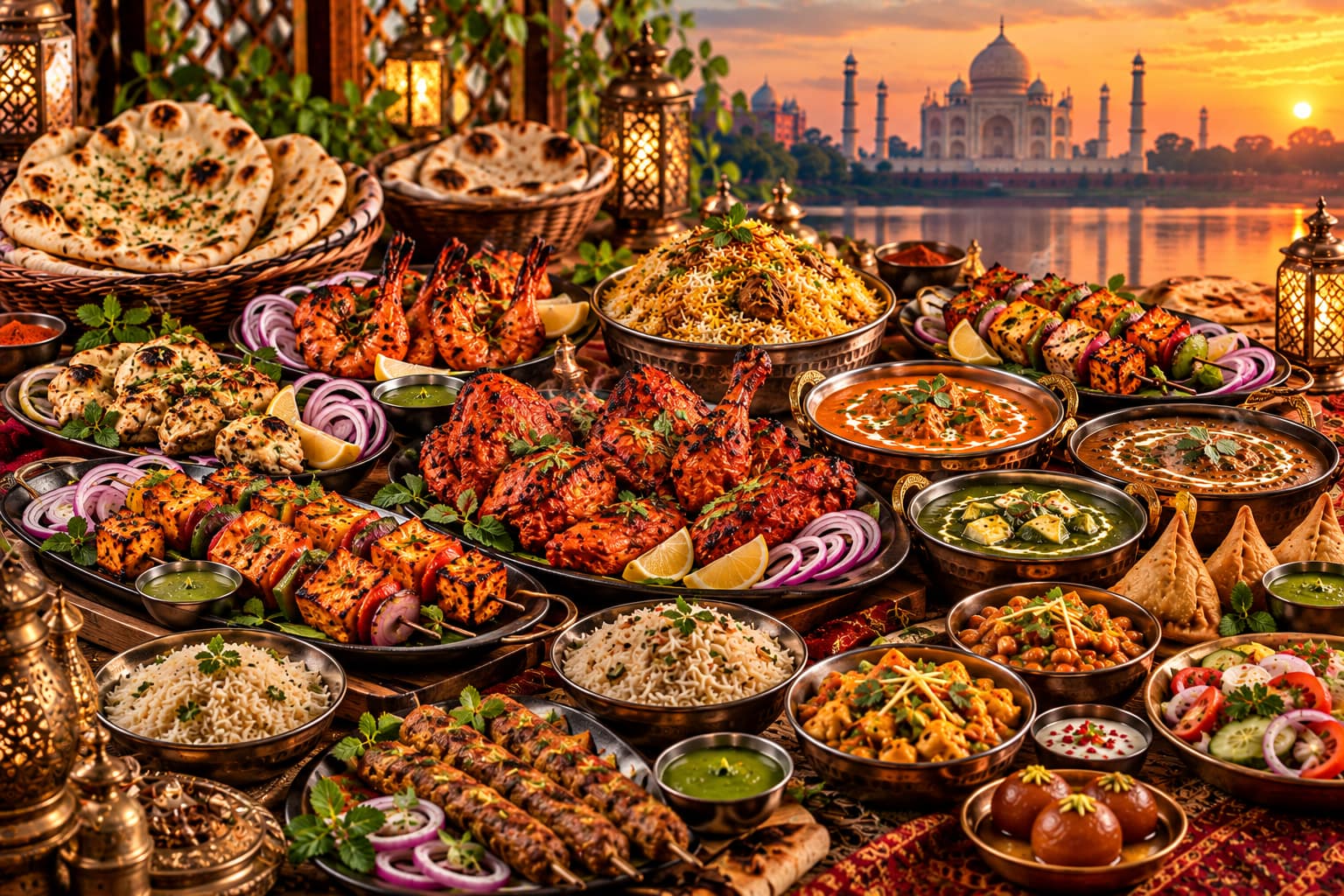
Butter Chicken may be one of the most recognizable choices internationally, but Biryani, Tandoori Chicken, Masala Dosa, Dal Makhani, Samosas, Paneer dishes, regional curries, Indian breads, and countless home-style recipes all contribute to the country’s culinary identity.
For first-time diners, starting with a familiar dish can make the experience comfortable. From there, exploring different flavors, textures, spices, and regional preparations can reveal just how diverse Indian cuisine really is.
Whether you are visiting Turmeric Indian Cuisine for a casual meal, a family gathering, or simply looking to try something different, there is always another flavor to discover.
People Also Ask
What Is the Most Popular Indian Food in the World?
Butter Chicken, Biryani, Chicken Tikka Masala, Tandoori Chicken, Samosas, and different paneer dishes are widely recognized outside India. Their popularity varies by country and individual preference, so there is no single dish that can universally be called the most popular.
What Indian Food Should I Try First?
Butter Chicken can be a good starting point for people who enjoy creamy and mildly spiced dishes. Vegetarians may prefer Paneer Butter Masala or Dal Makhani. Biryani is another popular option for diners who enjoy aromatic rice dishes with layers of herbs and spices.
What Are the 5 Most Popular Indian Dishes?
Butter Chicken, Biryani, Tandoori Chicken, Masala Dosa, and Samosas are among the widely recognized Indian dishes. However, popularity differs considerably between regions because Indian cuisine includes hundreds of regional specialties.
What Is the Most Popular Indian Curry?
Butter Chicken is one of the best-known Indian curries internationally. Other popular choices include Rogan Josh, Dal Makhani, Paneer Butter Masala, Chana Masala, and various regional chicken and vegetable curries.
What Is India’s Most Traditional Food?
India does not have one traditional food that represents the entire country. Everyday meals vary by region and commonly include combinations of rice, roti, dal, vegetables, curd, legumes, and locally prepared dishes.
What Indian Food Is Best for Beginners?
People trying Indian cuisine for the first time often start with Butter Chicken, Tandoori Chicken, Biryani, Samosas, Dal Makhani, or Paneer Butter Masala. These dishes introduce different elements of Indian cooking without requiring diners to begin with particularly intense flavors.
Which Indian Dish Is Famous in Canada?
Butter Chicken, Biryani, Samosas, Tandoori Chicken, Chicken Tikka Masala, and various paneer dishes are commonly found on Indian restaurant menus across Canada. Availability and popularity naturally vary between cities and restaurants.
Why Is Butter Chicken So Popular?
Butter Chicken combines a creamy texture with tomato, butter, aromatic spices, and tender chicken. Its balanced flavor profile makes it approachable for people who may be unfamiliar with Indian cuisine while still providing the richness associated with North Indian cooking.
Is Indian Food Always Hot and Spicy?
No. Indian food uses spices for flavor, aroma, color, and complexity, not simply heat. Many dishes can be mild or moderately spiced, while others use considerably more chilli. The spice level depends on the dish, recipe, region, and preparation.
What Should I Eat With Indian Curry?
Indian curries can be paired with naan, roti, paratha, or basmati rice. The best accompaniment depends on the curry. Creamy gravies pair particularly well with naan, while rice can complement lighter curries, lentils, and other gravy-based dishes.
Frequently Asked Questions
What Is India’s National Dish?
India does not have an officially designated national dish. Instead, the country has hundreds of regional dishes and culinary traditions, each reflecting different ingredients, cultures, and cooking methods.
Is Butter Chicken the Same as Chicken Tikka Masala?
No. Although both dishes contain chicken and commonly use tomato-based sauces, their preparation and flavor profiles are different. Butter Chicken generally has a richer and creamier consistency, while Chicken Tikka Masala often has a stronger tomato and spice profile.
What Is the Most Popular Vegetarian Indian Dish?
There is no single answer because preferences vary. Paneer Butter Masala, Dal Makhani, Palak Paneer, Chole, and Masala Dosa are among the many vegetarian dishes enjoyed in India and abroad.
Is Indian Food Always Spicy?
No. Indian cuisine includes mild, medium, and very spicy dishes. Spices are used for flavor, aroma, color, and complexity, rather than simply to create heat.
What Should a Beginner Order at an Indian Restaurant?
Butter Chicken, Paneer Butter Masala, Tandoori Chicken, Biryani, Dal Makhani, and Samosas can all be approachable options for someone trying Indian cuisine for the first time. Naan or rice can be added as an accompaniment.
What Goes Well With Indian Curry?
Naan, roti, paratha, and basmati rice are common accompaniments. The ideal pairing depends on the consistency and flavor of the curry.
What Makes Indian Cuisine Different From Other Cuisines?
Indian cuisine is distinguished by its regional diversity and extensive use of herbs, spices, legumes, grains, vegetables, dairy, and different cooking techniques. Recipes can vary dramatically between regions, communities, and even individual households.
Why Is Indian Food Popular Around the World?
Indian cuisine offers a wide variety of flavors, cooking techniques, vegetarian and non-vegetarian options, breads, rice dishes, snacks, curries, and desserts. This variety allows people with different tastes and dietary preferences to find dishes they enjoy.