

Indian cuisine is not simply a style of cooking—it is a living tradition shaped by thousands of years of history, geography, climate, religion, and community. When people ask “What are the most authentic Indian dishes?”, they are usually searching for food that feels real, comforting, and deeply connected to Indian culture rather than commercialized versions of Indian food.
Authentic Indian food is not defined by excessive spice or heavy gravies. Instead, it is defined by balance—a careful harmony of spices, textures, nutrition, and cooking methods. Every traditional Indian dish has a purpose. Some dishes cool the body, some warm it, some aid digestion, and others simply bring people together.
Indian cooking values time, patience, and intuition. Spices are added in layers, gravies are slow-simmered, and recipes are often passed down through generations without written measurements.
At Turmeric Indian Cuisine, authenticity means honouring these traditions while presenting them in a way that today’s diners can enjoy. Whether you’re dining in or choosing to enjoy these flavours at home, you can conveniently Order Online or explore our complete Menu.
Which Indian Dishes Are Truly Authentic?
Truly authentic Indian dishes are those that originated in Indian households and regional kitchens, evolving naturally over time rather than being created for commercial appeal. These dishes focus on nourishment, comfort, and cultural identity.
Because India is geographically vast, authenticity looks different across regions.
North Indian & Punjabi Classics
North Indian cuisine is rich, hearty, and deeply satisfying.
-
Dal Tadka – Yellow lentils cooked until soft and finished with a fragrant ghee tempering
-
Dal Makhani – Black lentils slow-cooked overnight with butter and cream
-
Rajma Chawal – Red kidney beans in spiced tomato gravy served with rice
-
Chole Bhature – Spiced chickpeas paired with fluffy fried bread
These dishes form the foundation of everyday Indian meals and are proudly featured on the Menu at Turmeric for guests seeking traditional comfort food.
Mughlai & Tandoor-Based Dishes
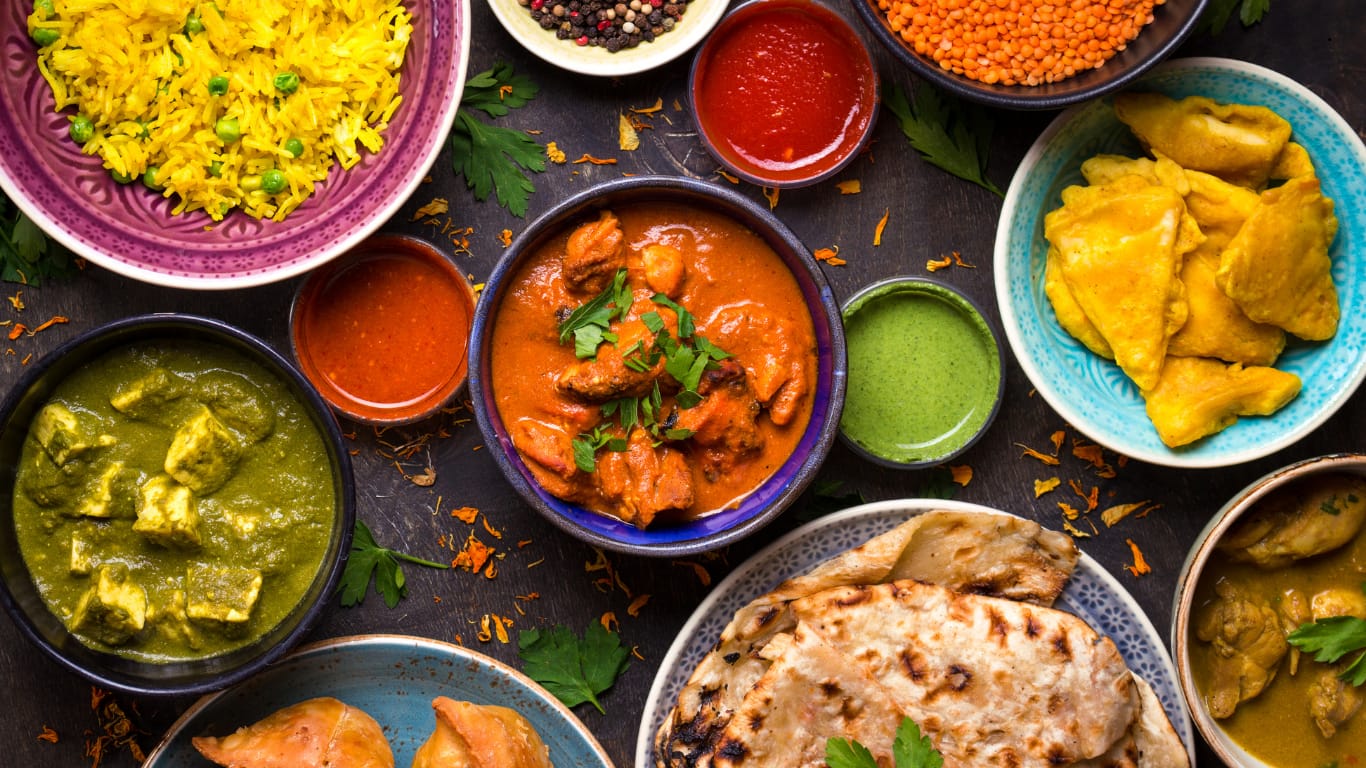
Mughlai cuisine introduced richness and elegance to Indian food through slow cooking and tandoor techniques.
-
Butter Chicken (Murgh Makhani) – Smoky chicken cooked in a creamy tomato-butter sauce
-
Paneer Butter Masala – Soft cottage cheese simmered in a mildly spiced gravy
-
Tandoori Chicken – Yogurt-marinated chicken roasted in a traditional clay oven
These dishes remain timeless favourites and are among the most ordered items for dine-in and takeaway. Guests who prefer enjoying these classics at home can easily Order Online.
South Indian Staples
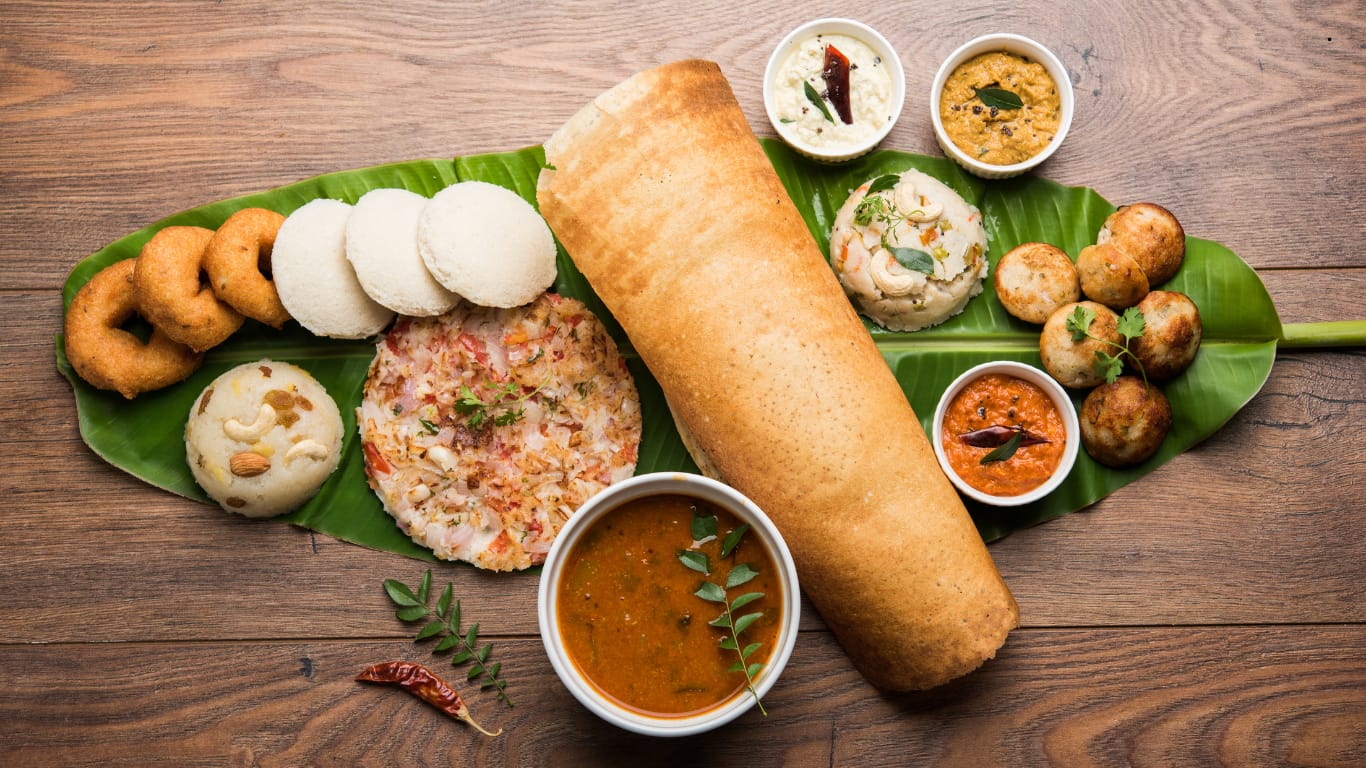
South Indian cuisine relies on fermentation, rice, lentils, and coconut-based flavours.
-
Dosa – Thin, crispy fermented crepes
-
Idli Sambhar – Steamed rice cakes served with lentil stew
-
Uttapam – Thick savoury pancakes topped with vegetables
These dishes highlight how Indian food can be light, nutritious, and deeply traditional at the same time.
What Is the #1 Indian Dish?
There is no single official answer, but globally, Butter Chicken is widely considered the most popular Indian dish.
Butter Chicken stands out because:
-
It originated in India, not abroad
-
It balances smoky, tangy, and creamy flavours
-
It appeals to a wide range of palates
At Turmeric, Butter Chicken continues to be one of the most loved dishes by guests. Many diners specifically seek out what is considered the most authentic Butter Chicken restaurant in Victoria BC.
What Is the Most Famous Indian Dish in the World?
Indian cuisine has earned global recognition, with Indian restaurants thriving across continents.
The most internationally famous Indian dishes include:
-
Butter Chicken
-
Chicken Tikka Masala
-
Biryani
-
Samosa
-
Palak Paneer
Among these, Chicken Tikka Masala is often the most popular outside India, but its authenticity is frequently questioned.
Is Tikka Masala Authentic Indian Food?
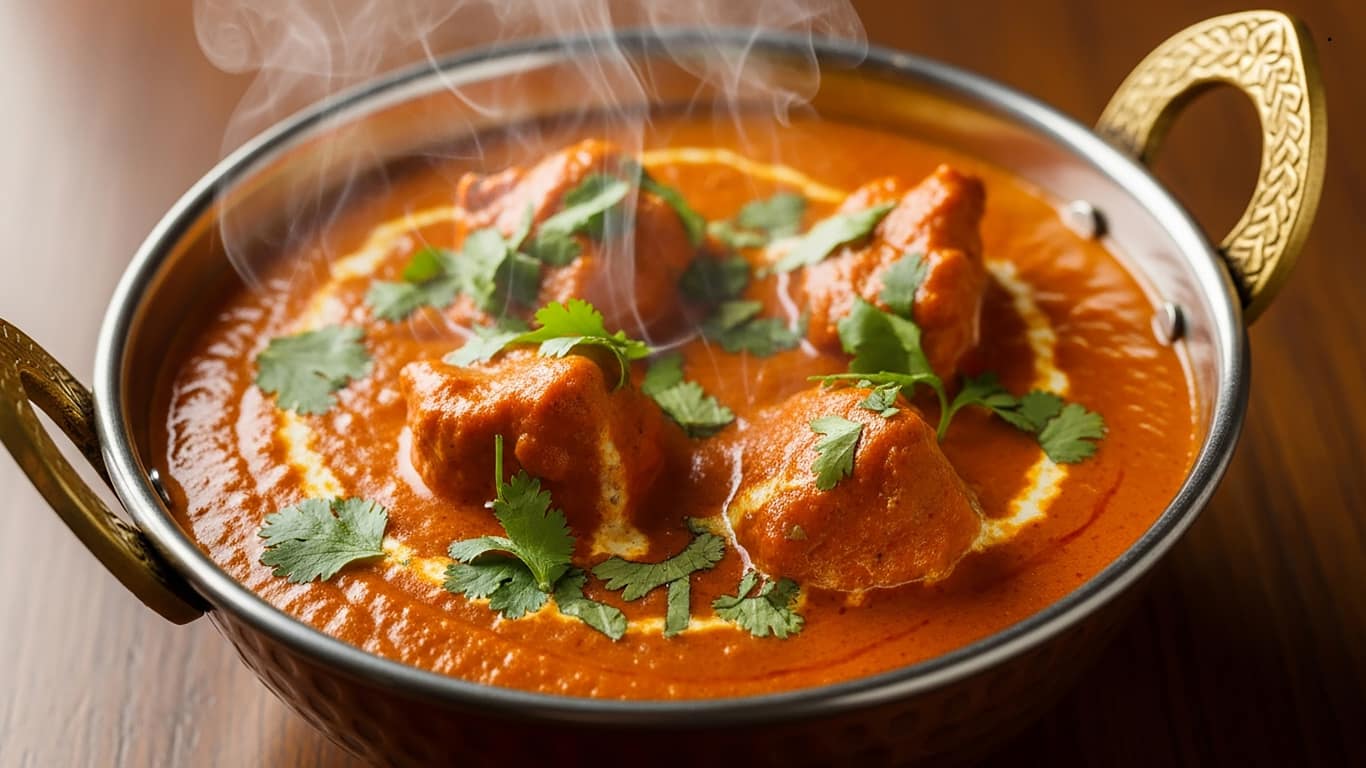
While Chicken Tikka itself is authentically Indian, most food historians believe Chicken Tikka Masala was developed outside India—likely in the UK—to suit Western preferences.
This makes it Indian-inspired rather than traditionally Indian.
To understand how Indian food adapts globally while still respecting its roots, explore more insights on exploring Indian food in Victoria.
Which Food in Indian Culture Is Considered Pure?
In Indian culture, food carries spiritual and philosophical meaning. The concept of Satvik (pure) food comes from Ayurveda.
Satvik Foods Include:
-
Fresh vegetarian meals
-
Dal, rice, roti, and seasonal vegetables
-
Milk, ghee, curd, fruits, and nuts
Satvik food is believed to calm the mind and support overall well-being. This tradition is why vegetarian Indian cuisine remains deeply respected today.
Turmeric proudly celebrates this heritage and is widely known as an ultimate spot for a flavorful vegetarian Indian dining experience.
What Is India’s Top 1 Famous Food?
Within India, everyday foods often hold more significance than elaborate dishes.
-
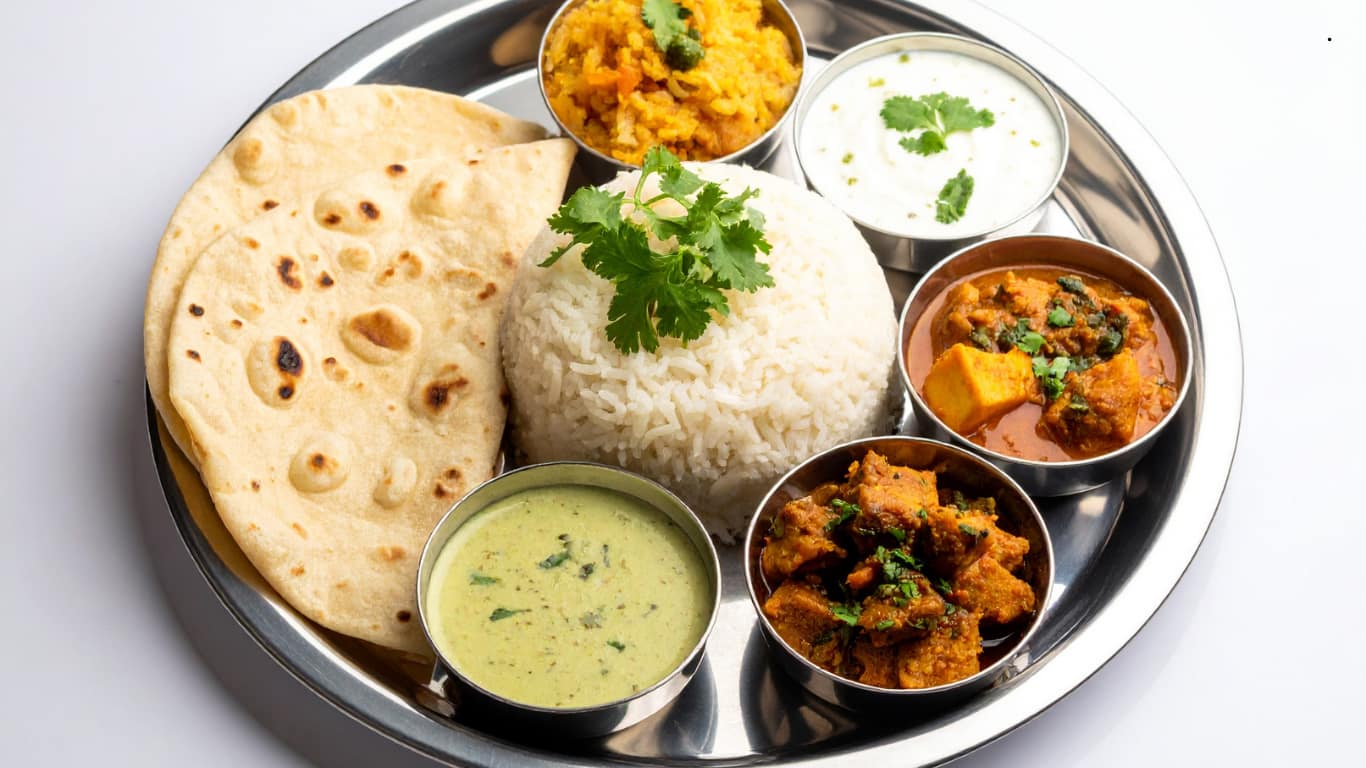
Dal and Rice – The ultimate comfort meal
-
Roti Sabzi – A daily staple across homes
-
Chai and Samosa – India’s most loved snack pairing
-
Biryani – A celebration dish enjoyed nationwide
Biryani, in particular, holds a special place in Indian culture and is also popular among guests seeking best biryani and halal dining options.
Why Authentic Indian Food Still Matters Today
In an era of fast food and shortcuts, authentic Indian cuisine remains relevant because:
-
It values slow cooking
-
Spices are used for health as well as flavour
-
Recipes preserve cultural identity
-
Meals encourage sharing and connection
For diners in Victoria and Langford, Turmeric has become a trusted choice for those looking around for the best Indian food in Victoria.
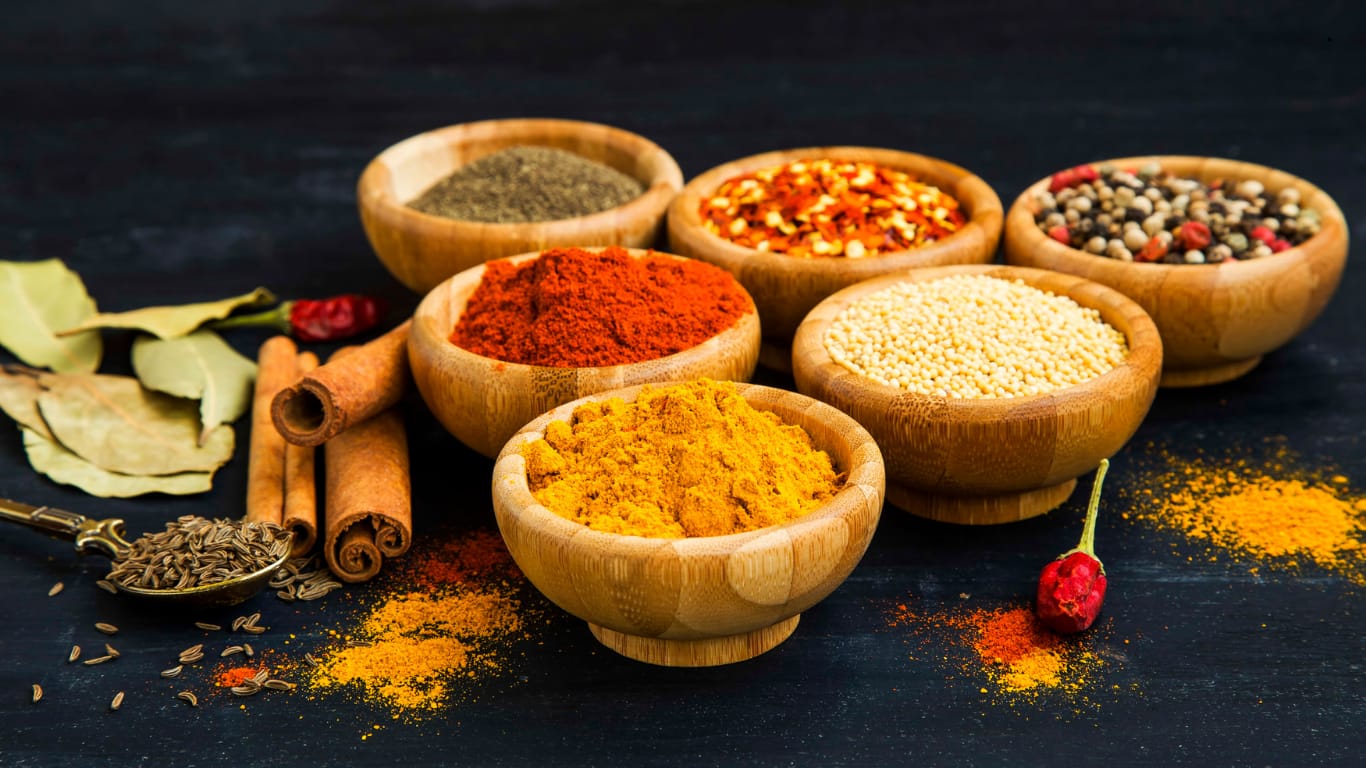
Authentic Indian Spices: The Soul of the Cuisine
Indian cooking relies on spices, but authenticity lies in balance rather than heat.
Commonly used spices include turmeric, cumin, coriander, cardamom, cloves, and cinnamon. These spices are often freshly ground and added at different stages to build depth and aroma.
At Turmeric, spices are treated as the soul of each dish, enhancing flavour without overpowering it.
Experience Authentic Indian Cuisine at Turmeric
Whether you are exploring Indian cuisine for the first time or revisiting flavours you grew up with, Turmeric Indian Cuisine invites you to experience food rooted in tradition and crafted with care.
Browse our Menu, Order Online for convenient takeaway or Contact us to plan your visit Authentic Indian food isn’t just something you eat—it’s something you feel. And at Turmeric, every dish tells that story.
Frequently Asked Questions
1. What are the most authentic Indian dishes?
The most authentic Indian dishes are those that originated in Indian households and regional kitchens rather than commercial restaurants. Examples include Dal Tadka, Dal Makhani, Rajma Chawal, Chole Bhature, traditional Dosa, Idli Sambhar, and Butter Chicken prepared using classic cooking methods.
2. Is Butter Chicken truly an authentic Indian dish?
Yes. Butter Chicken (Murgh Makhani) originated in Delhi, India, and is considered one of the most authentic and iconic Indian dishes. Its balance of smoky, tangy, and creamy flavours reflects traditional North Indian cooking techniques.
3. Why does authentic Indian food taste different from restaurant-style Indian food?
Authentic Indian food focuses on balance, slow cooking, and layered spices rather than heavy gravies or excessive heat. Many commercial versions modify recipes for speed or broader appeal, while traditional dishes rely on time, patience, and regional techniques.
4. Is Chicken Tikka Masala authentic Indian food?
Chicken Tikka Masala is Indian-inspired rather than traditionally Indian. While Chicken Tikka is authentic, the masala version was likely developed outside India, making it popular globally but not rooted in traditional Indian home cooking.
5. What makes Indian food authentic besides spices?
Authenticity in Indian cuisine comes from cooking methods, regional ingredients, cultural purpose, and balance. Spices are important, but equally vital are techniques like slow simmering, fermentation, and the thoughtful combination of nutrition and flavour.
6. What foods are considered pure in Indian culture?
In Indian tradition, Satvik foods are considered pure. These include fresh vegetarian meals such as dal, rice, roti, vegetables, milk, ghee, fruits, and nuts. Satvik food is believed to promote mental clarity and overall well-being.
7. Why is authentic Indian cuisine still relevant today?
Authentic Indian cuisine remains relevant because it prioritizes health, tradition, and connection. It values slow cooking, uses spices for wellness, preserves cultural heritage, and brings people together through shared meals.